Taking Semaglutide Tablets with Food: Maximizing Bioavailability and Results
By Matt Waterman · 2026-08-13
Taking semaglutide tablets with food is generally not recommended because it significantly impairs the absorption of the medication across the stomach lining. For oral GLP-1 receptor agonists to be effective, they must be taken on an empty stomach immediately upon waking with no more than four ounces of plain water. Patients must then wait at least 30 to 60 minutes before consuming any food, other beverages, or other oral medications to ensure the active ingredient reaches the bloodstream in therapeutic concentrations.
- Oral semaglutide requires a strict fasting window of 30 to 60 minutes after dosing for proper absorption.
- Food, coffee, and even excess water can dilute the absorption enhancers in the tablet, reducing clinical efficacy.
- While tablets offer a needle-free option, injectable buy semaglutide online often provides higher bioavailability and more predictable weight loss outcomes.
- Maintaining a consistent morning routine is the most critical factor for those choosing the oral route over the weekly injection.
Why the Timing of Semaglutide Tablets Matters
The pharmacology of oral semaglutide is unique compared to most other medications. Standard pills are often designed to break down in the small intestine, but oral semaglutide utilizes a specialized absorption enhancer called SNAC (sodium salcaprozate). This enhancer protects the peptide from being destroyed by stomach acid and allows it to cross the gastric mucosa. However, this process is highly sensitive to the presence of any other substances in the stomach.
If you take semaglutide tablets with food, the food creates a physical barrier and alters the pH of the gastric environment. Clinical data from the PIONEER clinical trial program demonstrated that even a small amount of food can drop the concentration of the drug in the plasma to sub-therapeutic levels. This is why the protocol insists on a specific fasting window. Without this window, the medication cannot effectively reach the GLP-1 receptors in the brain and gut that manage appetite regulation. If you want the specifics, read semaglutide tablets for weight management.
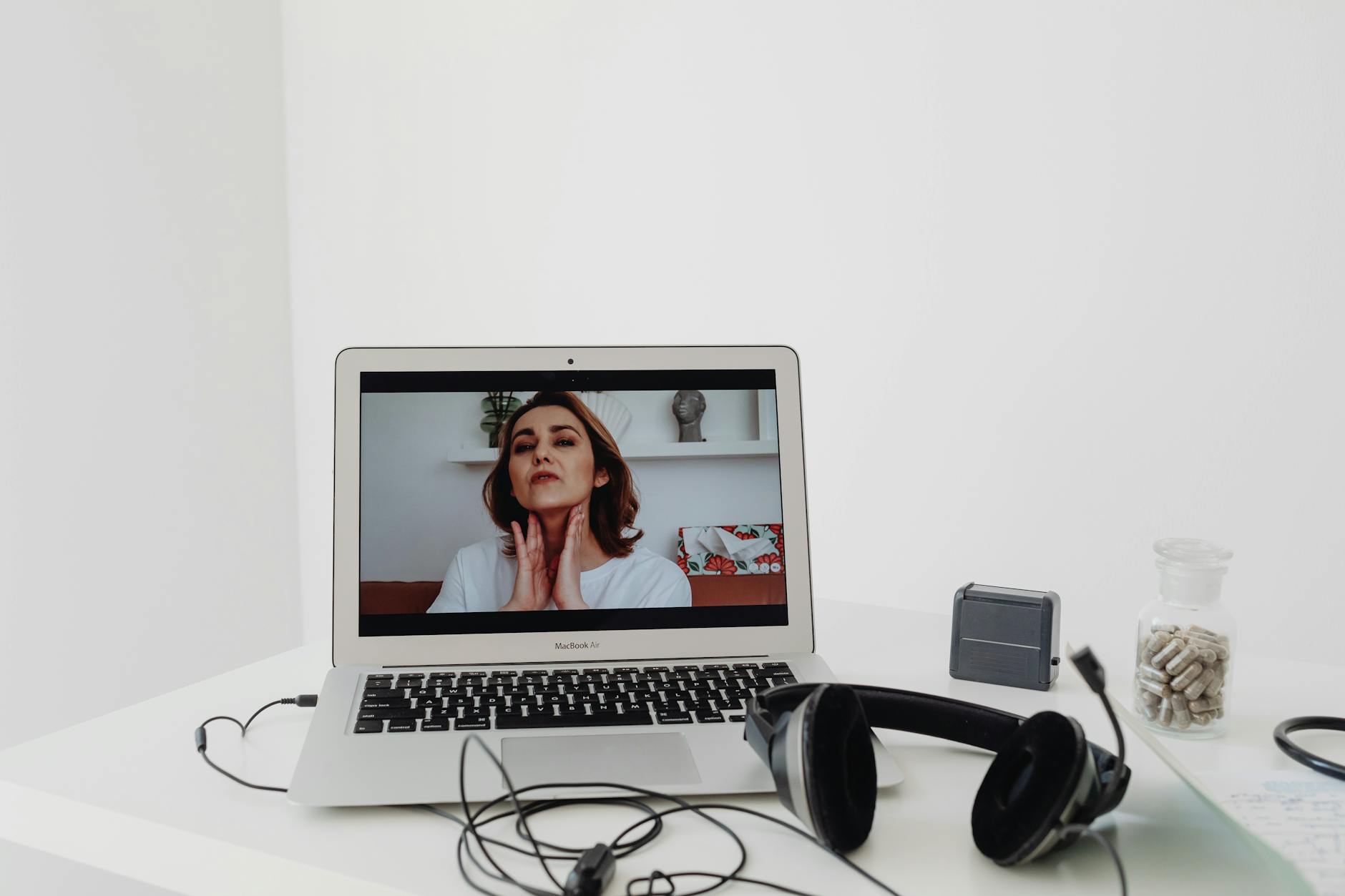
For many patients, the discipline required for daily oral dosing is more challenging than the once-weekly compounded semaglutide injection. The injection bypasses the digestive system entirely, ensuring that 100 percent of the dose is available to the body regardless of when you last ate. At HELiXVi, our live AI video doctor service helps patients weigh these logistical pros and cons before beginning a treatment plan.
The Impact of Food on Gastric Emptying and Absorption
GLP-1 receptor agonists work partly by slowing down gastric emptying. This means that food stays in your stomach longer, making you feel full for a greater duration. Ironically, this mechanism makes the requirement for taking tablets on an empty stomach even more vital. If you had a heavy dinner late at night, there may still be residual food in the stomach the next morning, which could interfere with your morning dose.
When the stomach contains fiber, proteins, or fats, the SNAC technology cannot facilitate the transit of the semaglutide molecule through the stomach wall. This leads to the peptide being digested like any other protein rather than acting as a hormone signaler. Consequently, patients who ignore the "no food" rule often report that the medication "isn't working" or that their hunger levels have not changed.
It is also important to consider the type of liquid used. You should only use plain water. Coffee, tea, and juice contain solutes that can interfere with the chemical interaction between the tablet and the stomach lining. Limiting the water to four ounces is also key; too much water dilutes the concentration of the absorption enhancer against the stomach wall, leading to wasted medication and diminished results.
Comparing Oral vs. Injectable Semaglutide Efficiency
While the convenience of a pill is attractive to those with a needle phobia, it is essential to understand the trade-offs in clinical efficacy. The oral version must be taken daily, whereas the injection is once weekly. Furthermore, the dose required for the oral tablet is significantly higher (often 7mg or 14mg daily) to compensate for the fact that only about 1 percent of the drug is actually absorbed through the stomach.
| Feature | Oral Semaglutide | Injectable Semaglutide |
|---|---|---|
| Dosing Frequency | Daily | Weekly |
| Food Restrictions | Strict 30-60 min fast post-dose | None |
| Bioavailability | Very Low (~1%) | High (~89%) |
| Common Side Effects | Nausea, Gastric upset | Nausea, Injection site reaction |
| Storage | Room Temperature | Refrigerated |
For patients who struggle with the morning fasting requirement, switching to an injectable format like compounded tirzepatide or semaglutide is often the superior choice for consistent weight loss. Tirzepatide, a dual-agonist, has shown even more significant weight loss in trials like SURMOUNT-1, and its weekly injection format eliminates the daily anxiety over food timing. For a deeper look, see our guide to semaglutide tablets weight loss timeline.
Managing Side Effects When Taking Oral Semaglutide
The most common side effects of GLP-1 medications include nausea, diarrhea, and vomiting. When taking tablets, these symptoms are often most acute in the hour after taking the pill, especially if the patient eats too soon or eats a meal high in fat. Because the medication slows digestion, a high-fat breakfast immediately following the fasting window can lead to significant discomfort and bloating.
To mitigate these effects, doctors often recommend a titration schedule. This means starting at a lower dose (such as 3mg) for the first 30 days to allow the body to acclimate before moving to the 7mg or 14mg maintenance doses. If nausea becomes debilitating, it is a sign that the gastric emptying is significantly delayed, and the patient may need to adjust their fiber intake or meal frequency. You can find more details in our related HELiXVi guide on managing GLP-1 side effects.
If you miss the morning window and have already eaten, it is generally recommended to skip the dose for that day rather than taking it with food. Taking it with food is essentially wasting the dose, and taking it later in the day when the stomach is not truly empty will result in poor absorption. Consistency is the foundation of success in any GLP-1 program.
The Role of BMI Eligibility and Telehealth
Accessing these medications in the US requires a prescription from a licensed provider. Telehealth has revolutionized this process, allowing patients to consult with a doctor from home. At HELiXVi, we follow strict clinical guidelines for BMI eligibility. Typically, a patient must have a BMI of 30 or higher, or 27 or higher with at least one weight-related comorbidity such as hypertension or type 2 diabetes.
During a consultation, your doctor will review your medical history to ensure there are no contraindications, such as a personal or family history of medullary thyroid carcinoma or Multiple Endocrine Neoplasia syndrome type 2. Because these medications affect metabolic health, ongoing monitoring is essential to track progress and adjust dosage as needed. For those also interested in cellular health, some patients combine their weight loss efforts with other therapies like buy NAD+ online to support energy levels during a caloric deficit.
Telehealth providers also help navigate the logistical aspects of treatment, such as cost and insurance. While brand-name oral GLP-1s can be expensive, compounded options offered through licensed pharmacies can often provide a more affordable path to treatment without the hurdles of traditional insurance prior authorizations.
Optimizing Your Diet While on Oral GLP-1s
While the medication handles the hormonal side of hunger, what you eat after the fasting window expires still matters. A diet high in lean protein and fiber is recommended to preserve muscle mass during weight loss. Since semaglutide reduces overall appetite, every calorie you consume should be nutrient-dense. Many patients find success by following a Mediterranean-style diet, focusing on whole foods and healthy fats.
Hydration is equally important. While you must limit water when taking the pill, you should increase water intake throughout the rest of the day. GLP-1s can sometimes mask thirst signals, leading to dehydration, which can exacerbate side effects like headaches or constipation. Some patients also incorporate antioxidants like buy glutathione online to support liver health and detoxification during the weight loss process.
Finally, remember that oral semaglutide is a tool, not a total solution. It works best when paired with increased physical activity and behavioral changes. The goal is to use the medication to reach a healthy weight and then maintain that weight through the habits established during the treatment period. If you are ready to start your journey, visit our GLP-1 program to see if you qualify.
Frequently Asked Questions
Can I take semaglutide tablets with my morning coffee?
No. You must take the tablet with no more than 4 ounces of plain water and wait at least 30 minutes before drinking coffee. Coffee contains acids and compounds that interfere with the medication's absorption.
What happens if I eat immediately after taking the pill?
If you eat immediately, the medication will likely not be absorbed into your bloodstream. It will be broken down by stomach acid and digested like food, rendering the dose ineffective for weight loss.
Is the oral tablet as effective as the injection?
Clinical trials show that both are effective, but the injection has higher bioavailability. The oral tablet requires strict daily adherence to the fasting rule to match the results typically seen with weekly injections.
Can I take other supplements with my semaglutide tablet?
No, you should wait at least 30 to 60 minutes before taking any other oral medications or supplements, including vitamins, to ensure the semaglutide is absorbed first.
What should I do if I forget to take my tablet on an empty stomach?
If you have already eaten, it is best to wait until the next morning to take your next dose. Taking it later in the day when the stomach contains food will result in very poor absorption.
This article is educational and is not a substitute for individual medical advice. A HELiXVi physician determines what is appropriate for you.
Start your weight loss transformation today by visiting our GLP-1 program.
Explore HELiXVi
- Buy Semaglutide Online: Compounded semaglutide, doctor-guided, US state-licensed pharmacies.
- Buy Tirzepatide Online: Compounded tirzepatide with licensed provider care.
- GLP-1 Weight Loss Program: Doctor-guided GLP-1 care from licensed US physicians.
- Compare GLP-1 Treatments: Wegovy vs Zepbound vs compounded, side-by-side.
- Oral Semaglutide: Compounded semaglutide tablets, prescriber-reviewed.
Start your free consultation right now →
No clinic visit. Licensed US clinicians. Dispatched within 24 hours of your consultation and payment.