A Clinical Guide to the Semaglutide Tablets Online Weight Loss Program
By Matt Waterman · 2026-10-02
Finding a semaglutide tablets online weight loss program offers a modern, non-invasive alternative for individuals seeking metabolic support without the use of needles. While subcutaneous injections are widely known, oral GLP-1 receptor agonists provide a convenient pathway for those who meet clinical criteria and prefer a daily tablet. These medications work by mimicking natural hormones to support appetite regulation and improve metabolic health under the supervision of a licensed physician.
- Oral GLP-1 medications support weight management by delaying gastric emptying and signaling fullness to the brain.
- Prescription semaglutide tablets must be taken on an empty stomach with a small amount of water to ensure proper absorption.
- Telehealth programs provide medically supervised access to these treatments for eligible patients based on BMI and health history.
- Compounded oral options are available through specialized pharmacies but are not FDA-approved equivalents to branded tablets.
How does an oral semaglutide tablets online weight loss program work?
The mechanism behind a oral semaglutide program centers on the activation of GLP-1 receptors in the body. Naturally, the body releases GLP-1 (glucagon-like peptide-1) in response to food intake, which stimulates insulin secretion and promotes a feeling of satiety. By using a pharmacological agonist, the program maintains these signals for longer periods, helping patients manage their caloric intake more effectively.
In a clinical setting, such as the PIONEER clinical trials, oral semaglutide was studied for its efficacy in managing glucose levels and supporting weight reduction. Unlike the weekly injection titration found in products like compounded semaglutide, tablets are typically taken daily. The challenge with oral delivery is the harsh environment of the stomach; therefore, these tablets are formulated with an absorption enhancer called SNAC (salcaprozate sodium) to protect the molecule and facilitate its passage into the bloodstream.
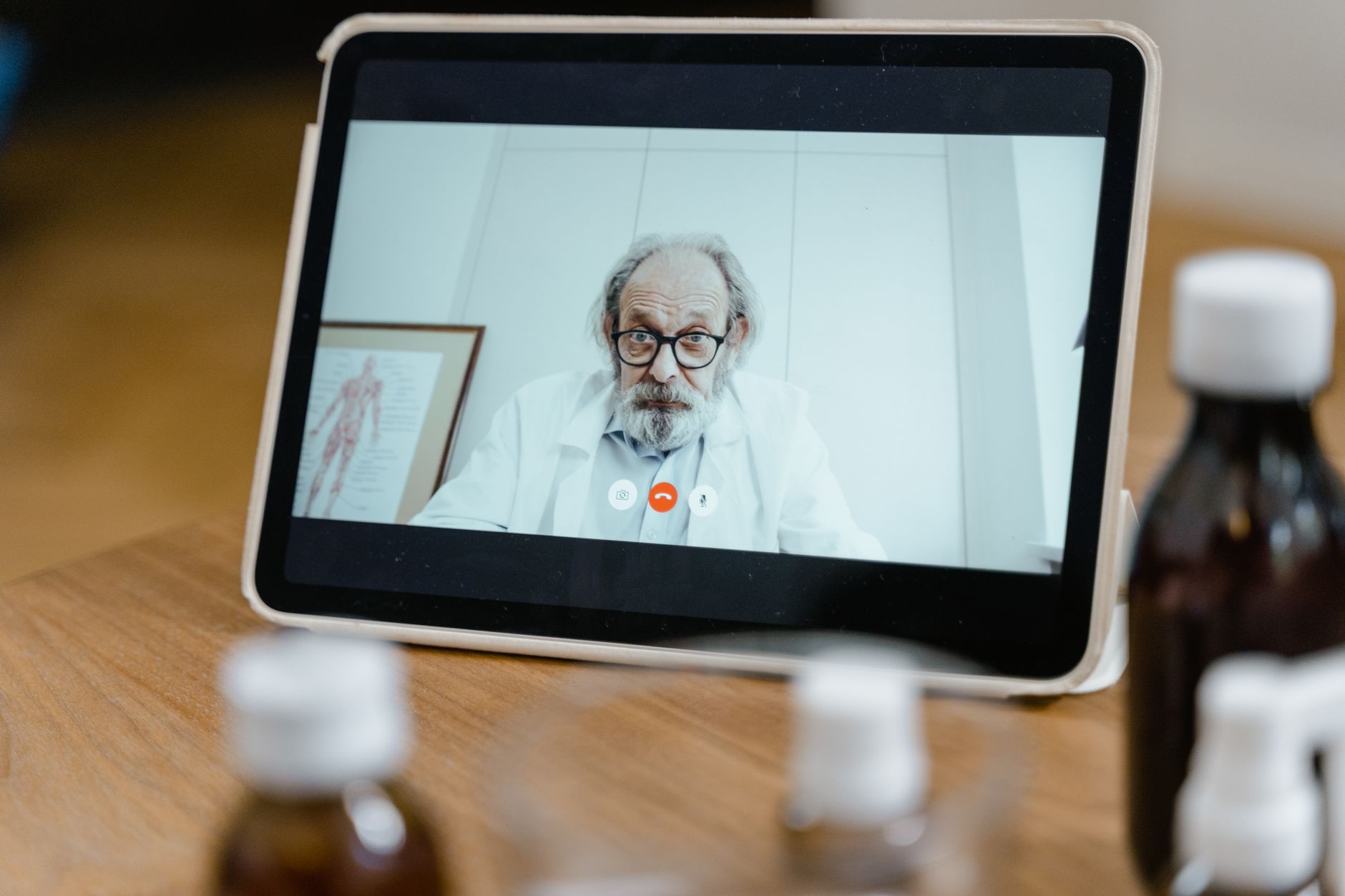
Patients participating in a GLP-1 program through a telehealth platform like HELiXVi begin with a consultation. A licensed provider reviews the patient's medical history, current BMI, and weight loss goals. If the patient is a candidate, the physician prescribes the appropriate medication, which is then shipped directly to the patient's home from a licensed pharmacy. This process integrates clinical oversight with the convenience of at-home administration.
Comparing oral tablets to injectable GLP-1 medications
When choosing between a tirzepatide tablets approach or an injectable route, patients often weigh convenience against clinical data. Injectable GLP-1 receptor agonists have been studied extensively in trials such as STEP 1 (for semaglutide) and SURMOUNT-1 (for tirzepatide). While injectables are often noted for high bioavailability because they bypass the digestive system, tablets offer a needle-free experience that many find easier to maintain long-term.
It is important to note that while branded oral semaglutide is FDA-approved for Type 2 diabetes, its use for weight loss is often considered off-label. Many patients seek out compounded preparations through a live AI video doctor to find options that fit their specific needs. However, any compounded medication is not FDA-approved and does not carry the same evaluation for safety or efficacy as a branded drug. Your clinician will determine which format best suits your physiological profile and lifestyle.
| Feature | Oral Semaglutide Tablets | Injectable GLP-1 (Semaglutide/Tirzepatide) |
|---|---|---|
| Administration | Daily tablet on an empty stomach | Weekly subcutaneous injection |
| Absorption Method | GI tract with SNAC enhancer | Direct systemic absorption |
| Patient Preference | Higher for needle-averse patients | Higher for those preferring weekly dosing |
| Clinical Trials | PIONEER series (Oral) | STEP and SURMOUNT series |
Understanding BMI eligibility and medical screening
To qualify for a semaglutide tablets online weight loss program, patients must meet specific clinical criteria. In the United States, medical guidelines generally suggest these treatments for adults with a Body Mass Index (BMI) of 30 or greater, or a BMI of 27 or greater with at least one weight-related condition such as hypertension or high cholesterol. These thresholds help ensure that the metabolic intervention is appropriate for the patient's health status. If you want the specifics, read semaglutide tablets weight management program.
During the related HELiXVi guide on clinical screening, it is explained that doctors also look for contraindications. For instance, a personal or family history of Medullary Thyroid Carcinoma (MTC) or Multiple Endocrine Neoplasia syndrome type 2 (MEN 2) usually precludes a patient from using GLP-1 receptor agonists. A thorough telehealth consultation ensures that these risks are assessed before any prescription is issued.
Beyond BMI, clinicians evaluate the patient's previous attempts at weight management. A comprehensive program is not just about the medication; it involves supporting the body's natural processes while the patient implements nutritional and activity changes. The goal is to use the medication as a tool to overcome biological hurdles like leptin resistance or persistent hunger that often derail standard diet efforts.
What are the expected side effects and how are they managed?
Like all potent metabolic medications, oral GLP-1s can cause side effects. The most commonly reported issues in clinical literature include nausea, diarrhea, vomiting, and constipation. These symptoms are primarily related to the medication's effect on slowing gastric emptying, which means food stays in the stomach longer. While this helps with satiety, it can cause initial discomfort as the body adjusts.
Management of these side effects is a core component of a supervised program. Physicians often recommend starting with a lower dose and gradually increasing it, a process known as titration. Patients are also advised to eat smaller, more frequent meals and to avoid high-fat foods that can exacerbate nausea. Hydration is critical, especially if a patient experiences diarrhea, to prevent dehydration.
In rare cases, more serious side effects can occur, such as pancreatitis or gallbladder issues. This is why ongoing communication with a healthcare provider is vital. Through a telehealth platform, patients can quickly report symptoms and receive guidance on whether to adjust their regimen or seek further evaluation. Supervision helps differentiate between expected transitional symptoms and more serious adverse reactions.
The role of appetite regulation and gastric emptying
The success of a weight loss program utilizing semaglutide or buy tirzepatide online options relies on two main physiological shifts: appetite regulation in the brain and the slowing of gastric emptying in the gut. By acting on the hypothalamus, these medications help reduce food cravings and the "food noise" that many patients struggle with. This allows for a more controlled approach to eating without the constant sensation of hunger.
Slowing gastric emptying means that the physical sensation of fullness lasts significantly longer after a meal. This delayed stomach emptying helps stabilize post-meal glucose spikes, which is beneficial for metabolic health. However, this also means patients must be mindful of their fiber intake and hydration to keep the digestive system moving efficiently. Practitioners often suggest a high-protein, moderate-fiber diet to support muscle mass while the body loses fat.
Evaluating cost, insurance, and accessibility
Accessing GLP-1 medications can be complex due to the landscape of insurance coverage. Many commercial insurance plans have strict requirements for covering weight loss medications, often requiring documentation of failed step-therapy or specific comorbidities. For many, branded medications are expensive without insurance, leading them to explore alternative avenues provided by telehealth practices.
Compounded versions of these medications, which contain the same molecule but are different products from the branded versions, are often sought to improve affordability and accessibility during manufacturing shortages. It is important to remember that compounded preparations are not FDA-approved and are not approved generics. A licensed physician at HELiXVi will discuss the pros and cons of different formulations to help you make an informed decision based on your budget and medical needs.
Frequently Asked Questions
Can I take semaglutide tablets with food?
No, semaglutide tablets must be taken on an empty stomach when you first wake up, with no more than 4 ounces of plain water. You must wait at least 30 minutes before eating, drinking anything else, or taking other oral medications to ensure the drug is absorbed properly.
Are oral semaglutide tablets as effective as the weekly injection?
Clinical trials like PIONEER have shown that high-dose oral semaglutide can be effective for weight management, though injectable versions often show higher average weight loss in trials like STEP. The choice depends on individual patient response and preference for daily vs. weekly dosing.
Do I need a prescription for an online weight loss program?
Yes, GLP-1 medications are prescription-only drugs. A licensed physician must evaluate your health history and BMI to determine if the medication is safe and appropriate for you.
How long does it take to see results on semaglutide tablets?
While some patients notice a reduction in appetite within the first few weeks, significant weight changes typically occur over several months as the dose is titrated and the body adapts to the metabolic shifts.
Can I switch from injections to tablets?
Yes, many patients transition between formats. However, this must be done under medical supervision to ensure the dosage is adjusted correctly and to monitor for any changes in side effects or efficacy.
To begin your journey toward sustainable metabolic health, consult with a licensed professional today. Visit the HELiXVi weight loss intake funnel to see if you qualify for our program.
This article is educational and is not a substitute for individual medical advice. A HELiXVi physician determines what is appropriate for you.
Explore HELiXVi
- How to Get a GLP-1 Online: The assessment, who qualifies, and how it is prescribed and dispensed.
- GLP-1 Without Insurance: Why plans exclude weight management and what routes exist.
- Skinny Shot and Lipotropic Injections: What is actually in a lipotropic injection and how it differs from prescription weight loss medicine.
- Compounded Semaglutide vs Ozempic: Same molecule, different product: what the FDA approves and who prepares each.
- Compounded Tirzepatide vs Zepbound: Same molecule, different product: what the FDA approves and who prepares each.
- Buy Semaglutide Online: Compounded semaglutide, doctor-guided, US state-licensed pharmacies.
- Buy Tirzepatide Online: Compounded tirzepatide with licensed provider care.
- GLP-1 Weight Loss Program: Doctor-guided GLP-1 care from licensed US physicians.
- Compare GLP-1 Treatments: Wegovy vs Zepbound vs compounded, side-by-side.
- Oral Semaglutide: Compounded semaglutide tablets, prescriber-reviewed.
- Tirzepatide Tablets: Compounded oral tirzepatide, prescriber-reviewed.
Start your free consultation right now →
No clinic visit. Licensed US clinicians. Dispatched within 24 hours of your consultation and payment.