Optimizing Hydration While Using Semaglutide Tablets for Weight Loss
By Matt Waterman · 2026-10-12
Hydration is a critical physiological pillar when utilizing GLP-1 receptor agonists for chronic weight management. For patients prescribed oral semaglutide, maintaining adequate fluid intake is not merely a lifestyle choice but a clinical necessity to support metabolic function and mitigate common gastrointestinal side effects. Proper hydration helps stabilize the environment in which these medications function, ensuring that the body can process the treatment effectively while maintaining cellular health.
- Adequate water intake helps manage common GLP-1 side effects like nausea and constipation.
- Hydration supports metabolic processes and kidney function during active weight loss.
- Oral medications require specific morning routines to ensure proper absorption.
- Electrolyte balance is as important as total water volume when appetite is suppressed.
The Biological Necessity of Fluids with GLP-1 Therapy
Semaglutide functions by mimicking the GLP-1 hormone, which plays a central role in appetite regulation and the slowing of gastric emptying. When digestion slows, the transit time of nutrients through the gastrointestinal tract increases. Without sufficient water, this slower transit can lead to significant discomfort, including bloating and constipation. Water acts as a lubricant for the digestive system, facilitating the smooth passage of food even as the medication works to prolong satiety.
Furthermore, during rapid metabolic shifts associated with our GLP-1 program, the body releases metabolic byproducts that must be filtered by the kidneys. Proper hydration ensures that renal blood flow remains optimal, allowing for the efficient excretion of these substances. This is particularly important for patients with a high BMI eligibility who may already have increased metabolic demands on their systems. Dehydration can exacerbate the feeling of fatigue that some patients report when starting a new medication protocol.
How Oral Semaglutide Absorption Relates to Hydration
Unlike an injectable semaglutide option, which enters the bloodstream via subcutaneous tissue, semaglutide tablets must navigate the stomach environment. The absorption of the oral molecule is highly sensitive to the presence of food and large volumes of liquid. Clinical protocols, such as those established in the PIONEER trials, emphasize that the tablet should be taken with a very small amount of plain water (no more than four ounces) on an empty stomach.
This creates a unique hydration challenge. While you must limit water at the moment of ingestion to ensure the medication is absorbed by the gastric mucosa, you must significantly increase your fluid intake for the remainder of the day. Failure to compensate for this limited morning intake can lead to a cumulative deficit in total daily hydration. Patients often find that setting a schedule for water intake after the initial absorption window (usually 30 to 60 minutes after taking the pill) is the most effective way to stay on track.
Managing Side Effects Through Strategic Fluid Intake
The most frequently reported side effects of GLP-1 medications include nausea, diarrhea, and vomiting. These symptoms are often a direct result of the medication’s effect on the central nervous system and the gut. Nausea, in particular, can be aggravated by an empty, dehydrated stomach. Paradoxically, while the medication suppresses appetite, small sips of water or electrolyte-enriched fluids can help settle the stomach and reduce the intensity of nausea.
If a patient experiences diarrhea, the risk of dehydration increases significantly. In these instances, plain water may not be enough, as the body also loses essential salts and minerals. Incorporating an electrolyte solution can help maintain the osmotic balance required for cellular function. If you are experiencing persistent gastrointestinal distress, you should consult a live AI video doctor to discuss adjustments to your supportive care routine or to evaluate if a different medication, such as compounded tirzepatide (which is not FDA-approved), might be appropriate for your clinical profile.
Hydration and Appetite Regulation
One of the primary benefits of GLP-1 therapy is the profound shift in appetite regulation. However, the brain often confuses the signals for thirst and hunger. When a patient is dehydrated, they may feel a false sense of hunger or a lack of energy that they mistakenly attribute to a need for calories. By staying consistently hydrated, patients can more accurately interpret their body's satiety signals, allowing the semaglutide to perform its role more effectively.
Drinking water before meals is a long-standing recommendation in weight loss, but it takes on new importance with GLP-1s. Because gastric emptying is slowed, the stomach fills up much faster. If you consume a large amount of water during a meal, you may find yourself becoming uncomfortably full before you have consumed adequate protein and nutrients. Therefore, the clinical recommendation is often to "hyper-hydrate" between meals rather than during them.
| Feature | Oral Semaglutide Routine | Injectable GLP-1 Routine |
|---|---|---|
| Initial Fluid Intake | Maximum 4 oz water with dose | No fluid restriction with dose |
| Fasting Requirement | Required (30-60 mins post-dose) | Not required for absorption |
| Daily Water Target | High (2-3 Liters) | High (2-3 Liters) |
| Electrolyte Needs | High during GI distress | High during GI distress |
| Timing Sensitivity | Critical for absorption | Low sensitivity |
The Role of Telehealth in Monitoring Hydration
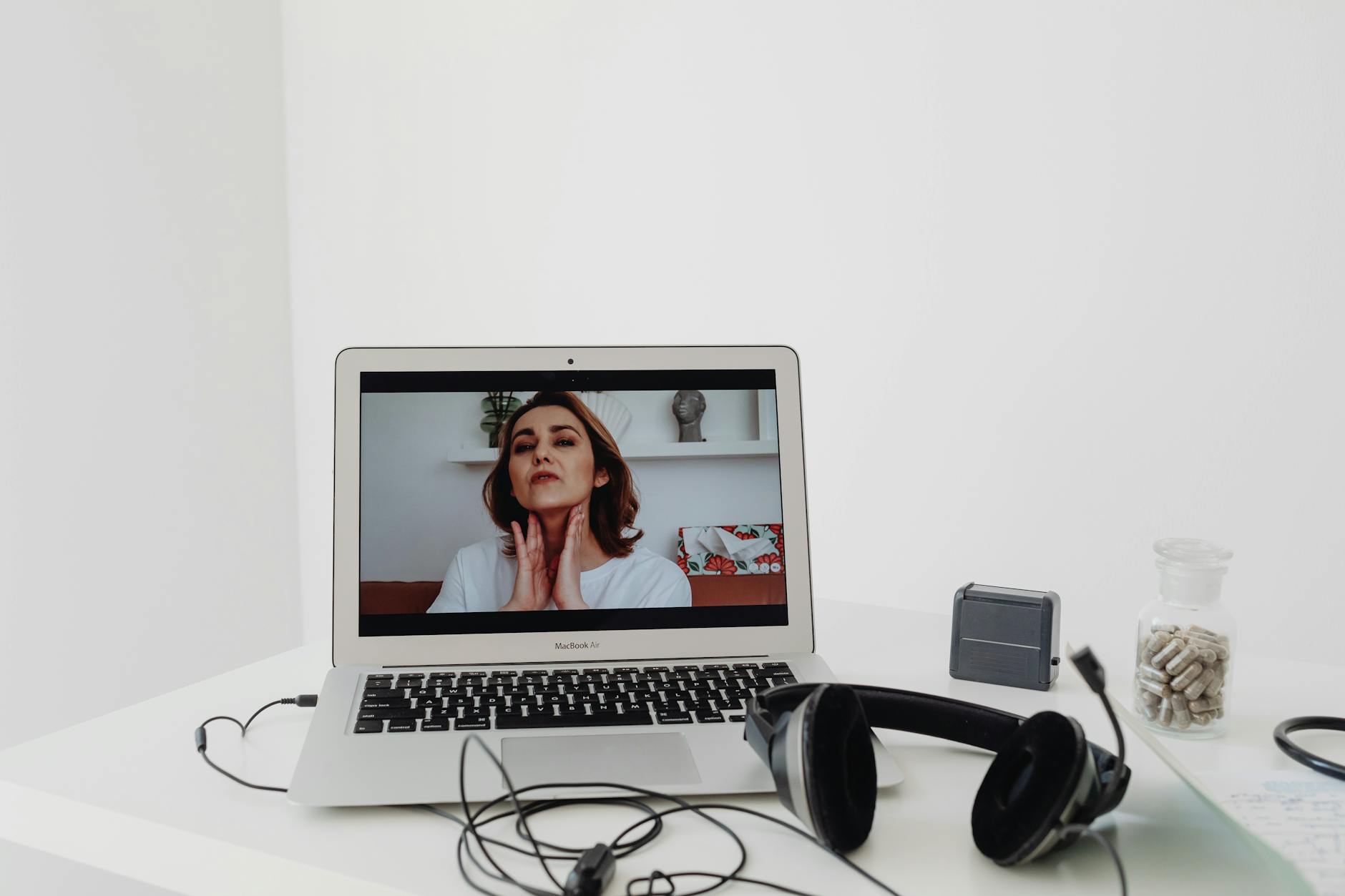
Modern telehealth platforms have revolutionized the way patients manage chronic conditions. Through frequent digital check-ins, clinicians can monitor for signs of dehydration that a patient might overlook, such as dark urine, dry mouth, or orthostatic hypotension (dizziness when standing). Because patients using semaglutide tablets may not see a doctor in person every week, self-monitoring becomes a vital component of the treatment plan.
During a consultation, your physician will likely ask about your fluid intake and any changes in your bowel habits. This data helps the clinician determine the appropriate titration schedule. While an injection titration often follows a standard escalation, oral therapy also requires careful monitoring to ensure the patient is tolerating the dose without becoming dehydrated. If the cost or insurance coverage of branded medications is a barrier, clinicians may discuss various therapeutic options, ensuring that the patient receives a high standard of care regardless of the specific product used.
Can You Drink Other Liquids?
While plain water is the gold standard for hydration, other fluids can contribute to your daily total. However, patients should be cautious with caffeinated beverages and carbonated drinks. Caffeine is a mild diuretic and can increase the risk of dehydration if not balanced with extra water. Carbonated water may cause uncomfortable bloating due to the slowed gastric emptying associated with GLP-1 receptor agonists.
Sugary drinks should be avoided, as they can cause rapid spikes in blood glucose that counter the metabolic benefits of the medication. For those who find plain water unappealing, infusing water with cucumber, lemon, or mint is a clinical-friendly way to increase intake without adding calories or artificial sweeteners. Monitoring the color of your urine is the simplest way to gauge success; it should ideally be a pale straw color throughout the day.
Long-Term Success and Fluid Maintenance
As you progress through your weight loss journey, your body composition will change. Adipose tissue contains less water than muscle tissue, so as you lose fat and potentially gain or maintain lean mass, your hydration needs may shift. Staying hydrated supports the skin's elasticity during weight loss and maintains the metabolic rate. It is a fundamental habit that must be maintained even after the initial weight loss phase is complete.
Ultimately, the success of a weight loss program depends on a holistic approach. Medications like semaglutide provide a powerful tool for appetite control, but they work best when supported by the basic biological requirements of the body. By prioritizing hydration, you are protecting your kidneys, supporting your digestion, and ensuring that your journey toward a healthier weight is as comfortable and effective as possible.
To begin your journey with a personalized clinical assessment, visit https://weightloss.helixvi.ai.
This article is educational and is not a substitute for individual medical advice. A HELiXVi physician determines what is appropriate for you.
Explore HELiXVi
- How to Get a GLP-1 Online: The assessment, who qualifies, and how it is prescribed and dispensed.
- GLP-1 Without Insurance: Why plans exclude weight management and what routes exist.
- Skinny Shot and Lipotropic Injections: What is actually in a lipotropic injection and how it differs from prescription weight loss medicine.
- Compounded Semaglutide vs Ozempic: Same molecule, different product: what the FDA approves and who prepares each.
- Compounded Tirzepatide vs Zepbound: Same molecule, different product: what the FDA approves and who prepares each.
- Buy Semaglutide Online: Compounded semaglutide, doctor-guided, US state-licensed pharmacies.
- Buy Tirzepatide Online: Compounded tirzepatide with licensed provider care.
- GLP-1 Weight Loss Program: Doctor-guided GLP-1 care from licensed US physicians.
- Compare GLP-1 Treatments: Wegovy vs Zepbound vs compounded, side-by-side.
- Oral Semaglutide: Compounded semaglutide tablets, prescriber-reviewed.
Start your free consultation right now →
No clinic visit. Licensed US clinicians. Dispatched within 24 hours of your consultation and payment.